New-Generation PV Greenhouse Modules Empower High-Quality Development of Global Agri-PV Industry
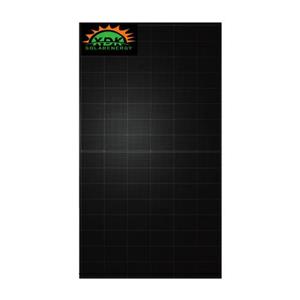
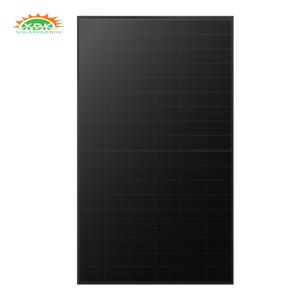
The global agrivoltaic (Agri-PV) market is embracing a period of rapid growth, with high-transmittance PV greenhouse modules being widely and commercially deployed in modern smart agricultural projects. Specially developed for greenhouse rooftop applications, the upgraded dual-glass PV modules perfectly balance efficient power generation and crop lighting requirements, accelerating the global popularization of the sustainable model of “power generation on the rooftop and crop cultivation underneath”.
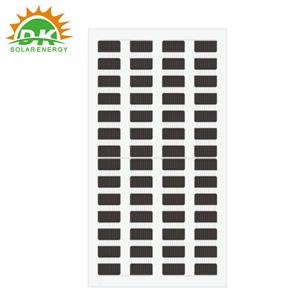
Conventional solar modules feature a high shading rate, which seriously hinders crop growth and makes them unsuitable for greenhouse planting of most cash crops such as vegetables, fruits and flowers. In contrast, the newly upgraded dedicated PV greenhouse modules adopt optimized cell arrangement and advanced semi-transparent dual-glass encapsulation technology, supporting customizable light transmittance ranging from 30% to 65%. The differentiated lighting solution accurately meets the photosynthetic needs of vegetables, seedlings, Chinese medicinal herbs and other high-value cash crops, realizing a model that prioritizes agricultural production while boosting photovoltaic power generation efficiency.
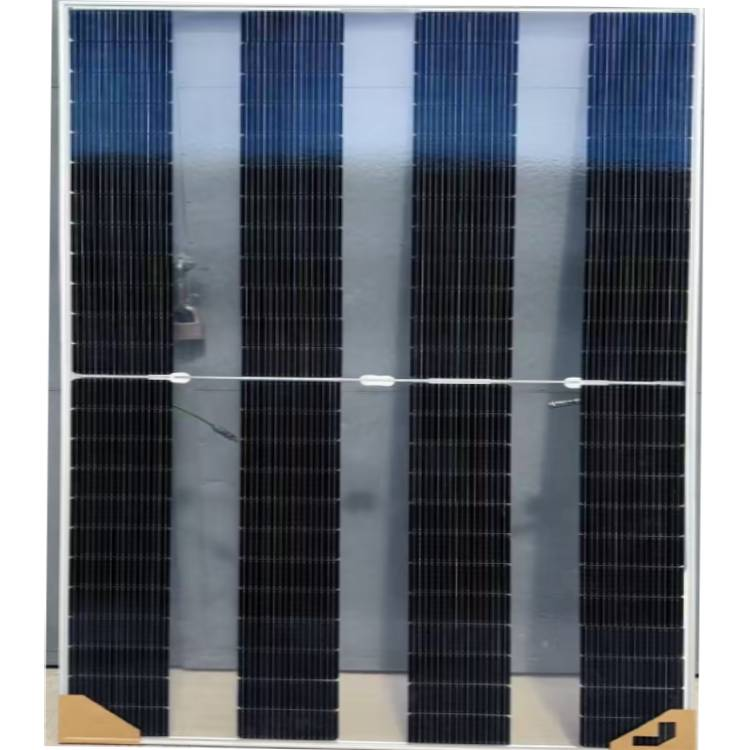
Tailored for the harsh and complex operating conditions of agricultural greenhouses, including high humidity, large day-night temperature differences, easy condensation and long-term outdoor exposure, these specialized PV modules have achieved all-round performance upgrades. They possess excellent weather resistance, PID resistance, hail resistance and anti-condensation properties, effectively reducing power attenuation during long-term outdoor operation. This ensures stable and efficient operation of PV greenhouse systems throughout their entire lifecycle, adapting to agricultural planting environments across the globe.
PV greenhouse systems support on-site power self-consumption, supplying clean electricity for greenhouse temperature control systems, integrated water and fertilizer irrigation equipment, plant fill light and other smart agricultural devices. Excess power can be fed into the grid. The solution delivers dual economic benefits of stable agricultural income and sustainable clean energy profits, while greatly improving land comprehensive utilization efficiency.