How to Choose the Front Sheet for Flexible Solar Panels? A Practical Guide to Main Materials
The core of front sheet selection lies in four requirements: high light transmittance for photoelectric conversion, excellent weather resistance for long-term outdoor use, good flexibility for curved installation, and reliable protection against water vapor. These directly determine material adaptability and selection direction.
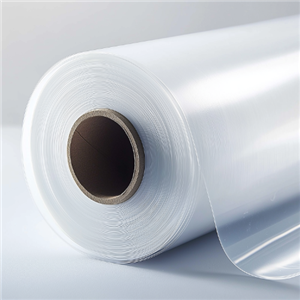
For high-end flexible panels, ETFE is the preferred choice. With 92%-95% light transmittance (close to glass), 20-30 years of outdoor service life, outstanding UV resistance and flexibility, it fits curved scenarios well. Its hydrophobic self-cleaning feature also reduces maintenance costs, making it ideal for automotive and high-end BIPV projects.
For cost-sensitive projects, PET is a budget option. With 85%-90% light transmittance, it suits short-term indoor or temporary outdoor use. However, its poor weather resistance leads to yellowing and embrittlement after 2-3 years outdoors, limiting its long-term application.
To solve the "flexibility-strength balance" problem, reinforced/enhanced flexible front sheets have emerged, mainly including enhanced ETFE and glass fiber reinforced composite types. Enhanced ETFE retains ETFE’s core advantages while improving mechanical strength, fitting high-end scenarios requiring both flexibility and protection.
Glass fiber reinforced composite front sheets, with "glass fiber fabric + transparent polymer film" structure, offer excellent mechanical strength and moderate flexibility. Suitable for load-bearing scenarios like large outdoor flexible power stations, they have mature products available but are slightly less flexible and more costly than pure ETFE.
As a mid-range compromise, composite fluorine film balances economy and durability. It improves PET’s weather resistance (8-12 years service life) with 88%-92% light transmittance and lower cost than ETFE, fitting budget-sensitive distributed projects. Note its potential delamination risk with long-term use.
Ultra-thin glass, once a semi-flexible alternative, has been phased out of mainstream use due to high brittleness and poor flexibility, only applicable to special flat-installed projects.
Industry insiders emphasize that front sheet selection relies on "scenario adaptation + cost balance": ETFE/enhanced ETFE for high-end/long-term/curved scenarios; PET for short-term/cost-sensitive use; composite fluorine film for mid-range durable projects; glass fiber reinforced types for strength-demanding mid-to-high-end scenarios.
In the future, as flexible photovoltaic scenarios expand, ETFE and enhanced front sheets will gain more market share. Scientific material selection based on scenarios will remain key to improving product competitiveness and promoting industry development.