Driven by Technological Upgrades, New PV Materials Empower High-Efficiency Modules
As the PV industry advances toward N-type high-efficiency solutions, the large-scale adoption of TOPCon, XBC and HJT technologies has triggered synchronous upgrades to upstream supporting materials. Weathering stability, spectral adaptability, lightweight design and aesthetic performance have become critical pillars for industrial progress.
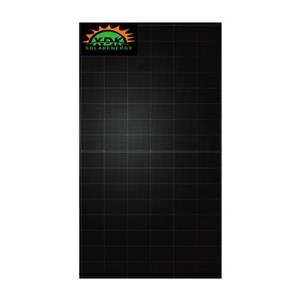
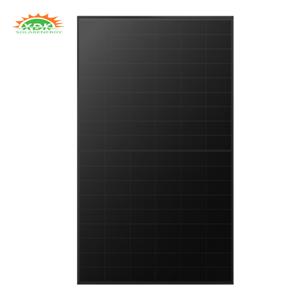
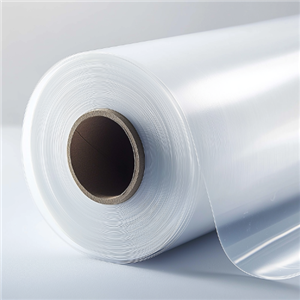
Within the encapsulation system, POE and EPE composite films featuring superior water vapor barrier performance and balanced cost advantages are emerging as mainstream options for premium double-glass modules. They meet stringent requirements of N-type cells for PID mitigation and long-term attenuation control. Black encapsulation materials tailored for building-integrated scenarios combine power generation performance with visual consistency, matching the aesthetic demands of distributed projects overseas. On the glass side, lightweight ultra-thin high-transmittance glass gains wider recognition. It reduces load pressure while maintaining high light transmittance, ideal for rooftop retrofits, BIPV facades and other diversified applications.
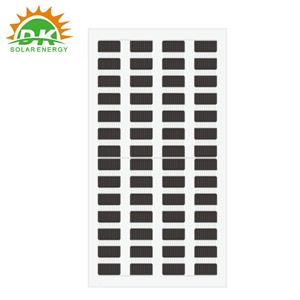
On the metallization front, the industry steadily moves toward silver reduction and silver-free solutions. Silver-coated copper paste and 0BB conductive adhesives deliver viable paths for cell cost reduction and efficiency improvement. Matched with low-stress ribbon systems, they help mitigate cell cracking risks during manufacturing. For backsheets, high-durability fluorine-based backsheets exhibit extended service life under harsh conditions including high temperature, intense ultraviolet radiation and sandstorms, suitable for power plants across varied global regions. For emerging segments such as flexible modules and tandem cells, innovative materials including TPU encapsulation films, TPO films and spectrum conversion films are under small-scale validation and commercial trials, further expanding the application boundaries of photovoltaics.
Project specifications vary greatly across regions in terms of operating environment, project type and warranty requirements, which leads to differentiated material selection criteria. Keeping close track of global technological trends, Xindongke supplies a diversified portfolio of PV material solutions compatible with multiple technical routes and application scenarios, to satisfy the diverse procurement needs of clients.